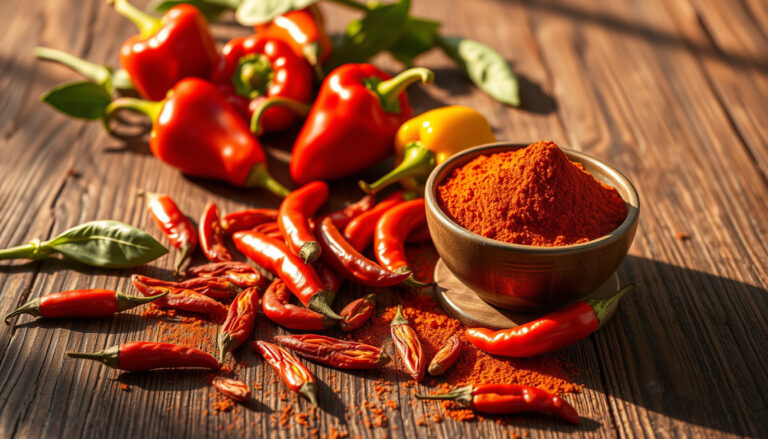
Caribbean food represents one of the world’s most vibrant culinary traditions, shaped by centuries of cultural exchange across the Atlantic. For those searching for caribbean food near me, the journey leads through a remarkable fusion of Indigenous traditions, African influences, European colonial ingredients, and Asian spice techniques. Understanding this rich heritage enhances appreciation for the bold flavors and comforting dishes that define Caribbean dining experiences in neighborhoods across the United States.
Whether seeking Jamaican jerk chicken, Trinidadian roti shops, or Haitian griot joints, local Caribbean restaurants offer gateways to island traditions. The cuisine’s emphasis on fresh seafood, tropical produce, and aromatic spice blends creates distinctive flavor profiles found nowhere else. This guide explores what makes Caribbean culinary traditions worth discovering, from their historical roots to practical tips for finding authentic establishments nearby.
What Defines Authentic Caribbean Cuisine
- Spice intensity varies significantly between islands—Jamaican dishes tend toward fiery heat, while Haitian cuisine offers more balanced profiles
- Authentic establishments often operate family-run jerk shacks or neighborhood griot joints rather than tourist-focused locations
- Regional ingredients like fresh ackee fruit require proper preparation and genuine sources—asking about freshness matters
- Delivery apps allow filtering by Caribbean, Jamaican, or Trinidadian cuisines with specific spice level requests
- Plantains, cassava, and breadfruit provide hearty starch bases that complement protein-forward dishes
- Creolization has produced unique fusion elements, particularly in Trinidad where Indian influences shape curry-based dishes
| Characteristic | Details |
|---|---|
| Core Ingredients | Allspice, scotch bonnet peppers, coconut milk, thyme, ginger, garlic |
| Spice Level | Medium to very hot (scotch bonnet: 100,000–350,000 Scoville units) |
| Calorie Range | 400–800 per serving depending on dish and preparation method |
| Common Allergens | Shellfish, tree nuts (coconut), gluten (roti/cou-cou), nightshades |
| Signature Starches | Rice and beans, cassava, plantains, breadfruit, cou-cou |
| Health Highlights | Anti-inflammatory spices, omega-3 seafood, potassium-rich plantains |
The Historical Roots of Caribbean Cooking
Caribbean culinary traditions trace back thousands of years to the Indigenous peoples who first inhabited these islands. The Taíno, Arawak, and Carib populations developed sophisticated foodways using local ingredients like yams, guavas, papaya, and cassava, preparing them in clay pots and seasoning with aromatic spice blends. These early techniques, particularly the practice of slow-smoking meats over pimento wood, would eventually evolve into the jerk seasoning that now defines Jamaican cuisine.
Colonial Era Transformations
European contact beginning in 1492 fundamentally altered Caribbean food culture. Spanish colonizers introduced sofrito—a foundational blend of tomatoes, onions, peppers, and herbs that remains central to Puerto Rican and Cuban cooking. Oranges, ginger, plantains, sugar, rice, and codfish arrived from Europe and other colonies, expanding culinary possibilities while establishing the plantation economy that would shape the region’s history.
The transatlantic slave trade brought African cooking traditions that became inseparable from Caribbean identity. Okra, introduced from West Africa, became essential for thickening stews like callaloo. Cornmeal dishes adapted from Ghanaian banku evolved into the cou-cou found throughout Barbados and the Eastern Caribbean. These influences created resilient comfort foods that sustained communities through profound hardship.
Asian Influences and Modern Creolization
Indentured labor programs following emancipation (1834) brought workers from India, China, and other Asian regions to Caribbean plantations. Between 1834 and 1918, these immigrants introduced curry spices, rice techniques, and flatbread traditions that transformed Trinidadian and Guyanese cuisine. Roti, doubles (chickpea curry wrapped in bara bread), and fusion curry dishes emerged from this cultural exchange, demonstrating how Caribbean cooking continuously adapts and absorbs external influences.
Post-independence movements across the Caribbean (mid-1900s) sparked cookbook authors and chefs to reclaim native ingredients like yams and cassava, deliberately rejecting colonial-era biases that favored European foods. This reclamation continues today, with contemporary Caribbean chefs highlighting the sophistication and complexity of traditional preparations.
Signature Dishes Across the Caribbean Islands
Each Caribbean island developed distinctive dishes reflecting its specific colonial history, available ingredients, and cultural influences. Understanding these regional variations helps diners navigate menus and appreciate the diversity within Caribbean cuisine.
Jamaican Classics
Jamaica’s most celebrated contribution, jerk chicken, derives from Indigenous Carib smoking techniques applied to chicken marinated in scotch bonnet peppers, allspice, thyme, and other aromatics. The traditional preparation involves smoking over pimento wood in underground jerk pits, creating signature char and smokiness. Equally iconic, ackee and saltfish combines the ackee fruit—brought from Ghana during the colonial era—with salted codfish; the dish requires proper ackee preparation as the fruit remains toxic if unripened.
Trinidadian Specialties
Trinidad’s multicultural population produced Indian-influenced dishes uncommon elsewhere in the Caribbean. Roti shops serve flatbreads wrapped around curried chicken, goat, or vegetables, while doubles provide affordable street food featuring chickpea curry poured into fried bara bread. These preparations reflect the lasting impact of indentured laborers who adapted their culinary traditions to Caribbean ingredients.
Haitian Traditions
Haitian cuisine emphasizes bold stews and fried preparations. Griot features cubed pork shoulder marinated in citrus and scotch bonnet, then fried until crispy—typically served with pickled vegetables and rice. Diri ak djon djon combines rice with black mushroom (djon djon) for a distinctive earthy flavor and dark coloring. These dishes demonstrate how African and European influences merged into uniquely Haitian preparations.
Colonial rulers shaped regional differences throughout the Caribbean. British and French colonial territories (Jamaica, Haiti) favor stews and rice-and-beans preparations. Spanish-influenced islands (Cuba, Dominican Republic, Puerto Rico) build dishes on sofrito foundations. Indian-heavy territories (Trinidad, Guyana) emphasize curry-based preparations. These distinctions remain useful when exploring Caribbean restaurants—asking about regional specialties often reveals authentic options.
Nutritional Profile and Dietary Considerations
Caribbean cuisine offers several nutritional advantages alongside considerations for those with specific dietary needs. Traditional preparations emphasize whole ingredients, fresh seafood, and vegetables that contribute to balanced meals.
Health Benefits
Many signature spices provide documented health benefits. Ginger and thyme offer anti-inflammatory properties, while scotch bonnet peppers contain capsaicin linked to metabolic benefits. Tropical fruits contribute antioxidants, and plantains provide potassium supporting heart health. Traditional cooking methods like grilling (jerk chicken) preserve protein quality while limiting added fats.
Seafood preparations capitalize on the Caribbean’s coastal abundance, delivering omega-3 fatty acids through dishes like grilled snapper, curry shrimp, and callaloo with saltfish. These preparations often pair with rice and beans or root vegetables, creating satisfying meals with diverse nutrient profiles.
Caloric Content and Allergen Information
Calorie content varies considerably across Caribbean dishes. Grilled jerk chicken provides approximately 300–500 calories per serving, making it a reasonable protein choice. Roti preparations run higher at 600–800 calories due to flour content, while fried dishes like griot or plantains increase caloric density significantly.
Common allergens in Caribbean cuisine include coconut (used as milk, oil, or shreds), shellfish (abundant in island cooking), gluten (present in roti, cou-cou, and fried batters), and nightshades (peppers, tomatoes, eggplant). Those with food allergies should inquire specifically about ingredients when ordering at Caribbean restaurants, as traditional preparations frequently incorporate these items. For those seeking to explore Caribbean flavors, this guide can help you find authentic Caribbean food near you. how to soft boil an egg
Additionally, ackee fruit requires proper ripening before consumption—the unripe fruit contains hypoglycin A, which can cause “Jamaican vomiting sickness.” Established Caribbean restaurants understand this requirement and source properly prepared ackee, but travelers unfamiliar with the dish should ask about preparation when trying ackee and saltfish for the first time.
A Timeline of Caribbean Culinary Evolution
Caribbean food culture developed through distinct historical phases, each contributing layers to the cuisine enjoyed today.
- Pre-Columbian era: Indigenous Taíno, Arawak, and Carib peoples develop foundational techniques using yams, cassava, tropical fruits, and slow-smoking methods that evolve into jerk seasoning.
- 1492 and beyond: European contact introduces sofrito (Spanish, late 1400s), oranges, ginger, plantains, sugar, rice, codfish, and new cooking techniques that reshape island foodways.
- 1600s–1800s: The transatlantic slave trade brings African cooking traditions—okra, cornmeal preparations like cou-cou adapted from banku, and stew-cooking methods that create dishes like callaloo and oil down.
- 1834–1918: Indentured labor programs bring Indian and Asian workers who introduce curry spices, rice dishes, and flatbread techniques that particularly shape Trinidadian and Guyanese cuisine.
- Mid-1900s: Post-independence cookbook authors reclaim native ingredients like yams and cassava, actively rejecting colonial-era preferences that had elevated European foods over local traditions.
- 2020s–present: Contemporary chefs embrace “creolization 2.0″—plant-based jerk with jackfruit, sustainable local sourcing, and fusion experiments blending Caribbean flavors with Korean, Mexican, and other global cuisines.
What Is Established Versus Uncertain in Caribbean Cuisine
While Caribbean culinary traditions have documented historical foundations, certain aspects remain subjects of ongoing research or regional variation.
- Indigenous origins of jerk smoking techniques from Taíno and Carib traditions
- African influences via the slave trade introducing okra, specific stew techniques, and banku-derived preparations
- Spanish introduction of sofrito and plantains in the late 1400s
- Indian indentured labor’s impact on Trinidadian curry traditions (1834–1918)
- Core ingredients: allspice, scotch bonnet, coconut, thyme, ginger
- Island-specific signature dishes with documented regional variations
- Precise origins of specific spice ratios within jerk marinades—often family secrets passed orally
- Exact caloric and nutritional content varies significantly by restaurant preparation methods
- “Authentic” definitions remain contested—what constitutes traditional versus fusion varies by community
- Specific health benefit mechanisms in traditional spice combinations lack extensive clinical study
- Contemporary fusion trend projections for 2025 remain inferred from existing patterns
Understanding Caribbean Food Culture
Caribbean cuisine embodies resilience and adaptation. The term “creolization” describes how diverse cultural influences merged into new, distinct traditions—a process culinary expert Keja Valens describes as “an ongoing act of cultural creation.” This framework helps explain why Caribbean food resists simple categorization; it represents not a single tradition but many overlapping traditions continuously influencing each other.
For those searching for caribbean restaurants near me, cultural context enhances the dining experience. Family-run establishments often preserve techniques passed through generations, while newer restaurants may experiment with fusion approaches that reflect contemporary Caribbean diaspora experiences. Both offer valid entry points into the cuisine’s rich possibilities.
Post-pandemic interest in Caribbean food has grown significantly, with diners seeking the bold flavors and comfort-food characteristics the cuisine offers. This increased attention has supported both traditional establishments and innovative new restaurants exploring sustainable sourcing and plant-based adaptations of classic dishes.
Expert Perspectives on Caribbean Culinary Traditions
“Creolization is an ongoing act of cultural creation… reclaiming native foods like yams highlights resilience.”
— Keja Valens, culinary historian
Culinary experts emphasize that understanding Caribbean food requires recognizing its fundamentally hybrid nature. No single island, ingredient, or technique defines the entire tradition—instead, what makes Caribbean cuisine distinctive is its demonstrated capacity to absorb external influences while maintaining recognizable cultural identity.
Contemporary food writers note the growing visibility of Caribbean restaurants in North American cities, where diaspora communities have preserved and adapted traditional recipes. These establishments often serve as community gathering spaces, maintaining cultural connections across generations while introducing new audiences to the cuisine’s pleasures.
Finding and Enjoying Caribbean Food Near You
Those seeking caribbean food delivery near me or nearby dining options have several practical strategies for discovering quality establishments. Family-run jerk shacks and neighborhood griot joints often provide more authentic experiences than tourist-oriented locations, as they cater to community customers who expect traditional preparations.
Delivery apps including Uber Eats and DoorDash allow filtering by cuisine type—searching “Caribbean,” “Jamaican,” or “Trinidadian” yields different result sets reflecting each tradition’s distinct characteristics. Requesting specific spice levels (“authentic spice” or “mild”) helps ensure satisfaction, and asking about ingredient freshness (particularly for ackee and plantains) often reveals commitment to quality.
When reheating Caribbean dishes at home, gentle warming preserves textures better than high heat—microwaves can make fried items rubbery, while conventional ovens or stovetop reheating maintains crispy exteriors and tender interiors. For those new to the cuisine, starting with well-known dishes like jerk chicken or roti before exploring more regional specialties provides accessible entry points.
Whether seeking nearby caribbean food for a quick lunch or planning a discovery dinner, understanding the cuisine’s historical depth and regional variations transforms ordering into exploration. For additional local discovery tips, consider exploring resources like What Time Is Sunset Today to plan evening outings, or finding New Balance Store Near Me for comfortable dining footwear.