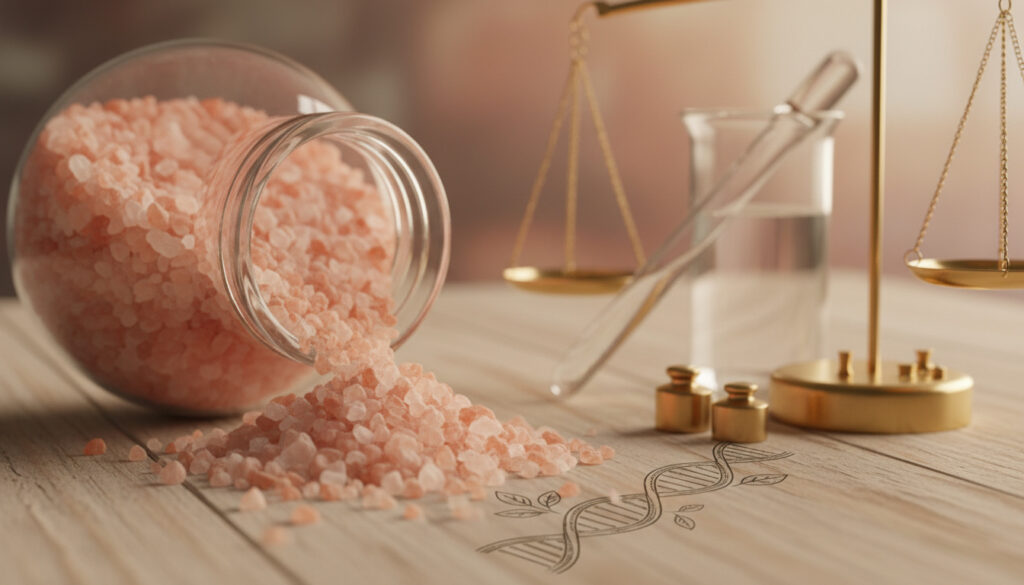
What Is the Pink Salt Trick – Viral Trend Facts and Science
The pink salt trick has flooded social media feeds with promises of effortless weight loss and enhanced hydration. This viral wellness ritual involves drinking warm water mixed with Himalayan pink salt each morning, often touted as a natural alternative to expensive medications. Despite millions of views and enthusiastic testimonials, nutrition experts warn that the trend lacks scientific backing and may pose health risks for certain individuals.
Originating on TikTok in 2023, the practice has been labeled everything from a “natural Mounjaro” to a detox miracle. Users mix the distinctive pink crystals—mined primarily from the Khewra Salt Mine in Pakistan—into their morning routine, claiming reduced bloating and increased energy. Yet independent analysis reveals that the supposed benefits stem largely from placebo effects and temporary water loss rather than physiological transformation.
Understanding the mechanics behind this phenomenon requires separating the mineral composition of Himalayan salt from the metabolic claims attached to it. While the crystals contain trace amounts of iron and magnesium that create their characteristic color, the fundamental chemistry remains sodium chloride—the same compound found in standard table salt.
What Is the Pink Salt Trick?
- Himalayan pink salt contains approximately 98% sodium chloride with 84 trace minerals present in negligible quantities
- The trend gained traction as a low-cost alternative to prescription weight-loss medications and commercial supplements
- Any initial weight reduction results from water loss and increased hydration, not fat reduction
- Regular consumption may exceed recommended daily sodium limits, particularly when combined with normal dietary intake
- Unlike iodized table salt, Himalayan salt lacks fortification, potentially contributing to thyroid issues if used exclusively
- Viral testimonials rely heavily on before-and-after photography without controlled variables or medical verification
| Attribute | Details |
|---|---|
| Salt Type | Himalayan Pink (halite) |
| Primary Composition | ~98% Sodium Chloride |
| Trace Minerals | Iron, magnesium, calcium, potassium (minimal amounts) |
| Typical Dosage | 1/4 to 1/2 teaspoon per 8-16 oz water |
| Trend Emergence | Mid-2023 on TikTok/Instagram |
| Calorie Content | Zero |
| Iodine Status | Unfortified (naturally occurring trace amounts only) |
| Sodium Equivalence | Comparable to table salt by weight |
How Do You Do the Pink Salt Trick?
Practitioners typically prepare the drink by dissolving 1/4 to 1/2 teaspoon of Himalayan pink salt into 8 to 16 ounces of warm water. The temperature aids dissolution, while the volume dilutes the salinity to prevent immediate gastric distress. Many variations include the juice of half a lemon, a pinch of ginger, honey for palatability, or a splash of apple cider vinegar to amplify the supposed metabolic effects.
Protocol dictates consuming the mixture on an empty stomach immediately upon waking. Proponents claim this timing “activates” the digestive system and primes cellular hydration after the overnight fast. Some advocates recommend waiting 20 to 30 minutes before eating breakfast to allow for optimal absorption of the trace minerals.
Selecting the Right Salt
Not all pink salts perform equally in solution. Authentic Himalayan pink salt, sourced from the Khewra mines in Pakistan, features larger crystal structures that dissolve more slowly than fine-grain alternatives. Coarse grains contain slightly less sodium per teaspoon by volume compared to finely ground table salt, though the difference proves nutritionally insignificant when weighed accurately.
If the solution tastes excessively salty or causes immediate throat irritation, the concentration likely exceeds safe levels. The mixture should taste mildly saline—similar to tears—not like seawater. Those with kidney conditions, hypertension, or heart disease should avoid this practice entirely and consult medical professionals before adding supplemental sodium to their morning routine.
What Are the Claimed Benefits of the Pink Salt Trick?
Weight Loss and Metabolism
Social media influencers frequently label the pink salt trick as a “natural Mounjaro,” suggesting it mimics the effects of prescription GLP-1 agonists without the cost or side effects. Claims include suppressed appetite, reduced sugar cravings, and accelerated fat burning. However, nutritional analyses confirm that sodium chloride possesses no thermogenic or lipolytic properties. Any scale movement typically reflects fluid shifts rather than adipose tissue reduction.
Digestion and Hydration
Advocates argue that the mineral profile improves cellular hydration beyond what plain water provides. While adequate sodium facilitates fluid retention and nerve function, the quantities present in a single glass of salt water fall short of therapeutic electrolyte replacement. The body maintains strict osmotic balance; excess sodium actually triggers increased thirst and subsequent urination, potentially creating a cycle of mild dehydration rather than superior hydration.
Detoxification and Bloating
Perhaps the most persistent claim involves “detoxing” the body and reducing abdominal bloating. Ironically, high sodium intake promotes water retention—the primary mechanism behind temporary bloating. While some users report initial diuretic effects followed by reduced puffiness, this represents a rebound response rather than sustained improvement. The kidneys process and excrete excess sodium within hours, negating any long-term anti-bloating benefits.
Does the Pink Salt Trick Actually Work?
Current medical literature offers no support for the metabolic claims surrounding pink salt water. No peer-reviewed studies published between 2023 and 2025 validate weight loss, enhanced digestion, or detoxification effects specific to Himalayan salt. The trace minerals present—while visually appealing—occur in concentrations too minute to impact physiological function meaningfully.
Regular consumption of concentrated salt water may strain renal function, particularly in individuals with compromised kidney health. The practice also risks electrolyte imbalances, as Himalayan salt lacks the full spectrum of electrolytes (particularly potassium) needed for proper cellular communication. Those substituting pink salt exclusively for iodized table salt may face thyroid dysfunction over time without adequate iodine from dietary sources like dairy or seaweed.
Documented Risks and Side Effects
While generally safe as an occasional seasoning, daily ingestion of salt water presents several contraindications. Hypertensive patients face elevated blood pressure from additional sodium loads. The concentrated solution may irritate gastric mucosa, causing nausea or reflux in sensitive individuals. Furthermore, the absence of iodine fortification in Himalayan salt raises concerns for those relying solely on this trend for their sodium intake.
Comparison with Regular Salt
Himalayan pink salt, sea salt, and table salt all consist primarily of sodium chloride. Table salt undergoes processing that removes trace minerals but typically includes iodine additives crucial for thyroid health. Sea salt contains comparable mineral traces to Himalayan varieties but varies widely by source. From a biochemical perspective, no evidence suggests pink salt surpasses other forms for weight management or hydration—moderation remains the critical factor across all sodium sources.
How Did the Pink Salt Trend Become Popular?
- : Wellness influencers on TikTok begin sharing “sole water” recipes using Himalayan salt, generating initial curiosity among health-conscious demographics. Source: Noom
- : The hashtag #PinkSaltTrick accumulates millions of views as before-and-after transformation photos circulate, positioning the ritual as a budget-friendly alternative to expensive weight-loss drugs.
- : Registered dietitians and medical professionals begin publishing debunking content, highlighting the lack of clinical evidence and potential cardiovascular risks. Source
- : The trend persists with recipe variations incorporating apple cider vinegar and ginger, though mainstream nutritional science continues to refute the core claims.
What Do We Know for Sure About Pink Salt?
| Established Facts | Uncertain or Unproven Claims |
|---|---|
| Himalayan salt contains 84 trace minerals in microscopic quantities | That these minerals significantly impact metabolism or hydration |
| Sodium is essential for nerve function and fluid balance | That morning salt water “activates” digestion or detox pathways |
| Hydration supports overall health and cognitive function | That pink salt specifically induces fat loss or weight reduction |
| Excess sodium intake correlates with hypertension | Safe long-term dosage for daily consumption as a “health tonic” |
| Pink salt is uniodized compared to standard table salt | Comparative benefits versus sea salt or kosher salt for wellness |
Why Did the Pink Salt Trick Go Viral?
The trend’s explosive growth stems from its alignment with current wellness aesthetics: natural, inexpensive, and seemingly ancient. Unlike pharmaceutical interventions or costly supplements, Himalayan salt requires minimal financial investment while carrying an aura of exotic purity. The visual appeal of pink-hued water photographs well for social media, creating shareable content that spreads rapidly through algorithmic recommendation systems.
Additionally, the practice arrived during heightened interest in metabolic health and weight management alternatives. As conversations around medications like Ozempic dominated headlines, the pink salt trick offered a seemingly accessible “natural” counterpart. This positioning allowed influencers to capitalize on existing health anxieties while presenting a solution that required no medical prescription or supervision.
The narrative of “detoxification” resonates particularly well in wellness spaces, despite lacking scientific definition. By framing the salt water as cleansing rather than simply hydrating, proponents tapped into deep-rooted cultural beliefs about purifying the body through simple, austere practices.
What Do Experts Say About the Pink Salt Trick?
No peer-reviewed studies support weight loss or related claims; any short-term effects stem from hydration or water weight loss, not fat reduction. Dietitians emphasize it’s a fad with no backing; excess sodium harms regardless of source.
— Nutritional Analysis, Noom
The continued buzz into 2025 comes with debunkings highlighting hype over science. TikTok testimonials are unverified and likely placebo or water loss effects amid viral hype.
— Health Investigation, The New Daily
Is the Pink Salt Trick Worth Trying?
For healthy individuals, an occasional glass of lightly salted water presents minimal harm, though it offers no proven advantage over plain hydration. Those seeking weight management should focus on evidence-based strategies involving caloric awareness, physical activity, and sustainable dietary patterns rather than viral shortcuts. Before adopting any daily sodium supplementation, particularly for individuals with renal, cardiovascular, or thyroid conditions, consultation with healthcare providers remains essential. For those interested in tracking their wellness journey, consider visiting New Balance Store Near Me – Locator, Outlets and Hours to find proper footwear for exercise routines that actually support metabolic health.
Frequently Asked Questions
What is pink salt made of?
Himalayan pink salt consists primarily of sodium chloride (approximately 98%) with trace amounts of minerals including iron, magnesium, calcium, and potassium. The pink coloration comes from iron oxide. It is mined from the Khewra Salt Mine in Pakistan rather than evaporated from seawater.
Can I use table salt instead of pink salt?
Table salt provides the same sodium content by weight, though it typically contains iodine additives that pink salt lacks. While chemically similar for hydration purposes, table salt lacks the trace mineral content and aesthetic appeal that drive the pink salt trend’s popularity.
How much pink salt is safe per day?
The FDA recommends limiting total sodium intake to 2,300 milligrams daily. A quarter teaspoon of salt contains approximately 575 milligrams of sodium. Adding salt water to an already sodium-rich diet may exceed safe limits, particularly for those with hypertension.
Is the pink salt trick safe for children?
Children have lower sodium requirements than adults and more sensitive fluid balance mechanisms. Concentrated salt solutions are not recommended for minors, particularly given the absence of proven benefits and potential risks to developing renal systems.
Does pink salt help with bloating?
Contrary to viral claims, sodium actually promotes water retention and bloating rather than reducing it. While initial diuretic effects may temporarily reduce water weight, regular consumption typically exacerbates abdominal distension through increased fluid retention.
Is pink salt better than sea salt?
Both contain similar mineral traces and sodium chloride levels. Neither demonstrates superior benefits for weight loss or hydration. Sea salt sourcing varies by location, while Himalayan salt comes from specific Pakistani deposits. Both lack iodine fortification found in table salt.
Can pink salt improve skin health?
While some advocates claim mineral content improves skin clarity, no clinical evidence supports systemic skin benefits from drinking salt water. Topical applications differ from ingestion, and excessive sodium may actually contribute to puffiness or dehydration affecting skin appearance.
More related posts
 Declaration of Independence Text: Full Text, Analysis, FAQs
 Ray‑Ban Meta Glasses Ireland: Prices, Gen 2 & Buying Guide
 Sound of Freedom (2023): Where to Watch, True Story & Kids Saved
 10 Year Treasury Yield Today: 4.31% Live Rate & News
 Chicken Thighs in Oven – Complete Time and Temp Guide
 A River Runs Through It: True Story, Famous Quote & Movie Guide
 Anyone But You Cast – Full List of Actors and Roles
 Knicks vs Spurs Player Stats: Box Score & Key Performances
