How Long Do Car Batteries Last? Signs, Causes & Guide
Few things are as frustrating as turning the key and hearing nothing but a click — or worse, silence. Most car batteries last 3 to 5 years, according to AAA, but that range shrinks fast if you live in a hot climate or mostly take short trips.
Average lifespan: 3 to 5 years ·
Lifespan in hot climates: 2 to 3 years ·
Short trips that reduce life: under 20 minutes
Quick snapshot
- Average 3-5 years (AAA Automotive)
- Hot climate reduces to 2-3 years (Ace Auto Repair)
- Lithium-ion lasts longer than lead-acid (DDPAI)
- Slow engine crank (RAC)
- Dashboard battery light (AAA Automotive)
- Dim headlights (NAPA Batteries)
- Swollen battery case (Ace Auto Repair)
- Parasitic draw from lights (J.D. Power)
- Bad alternator diode (NAPA Batteries)
- Extreme temperatures (RAC)
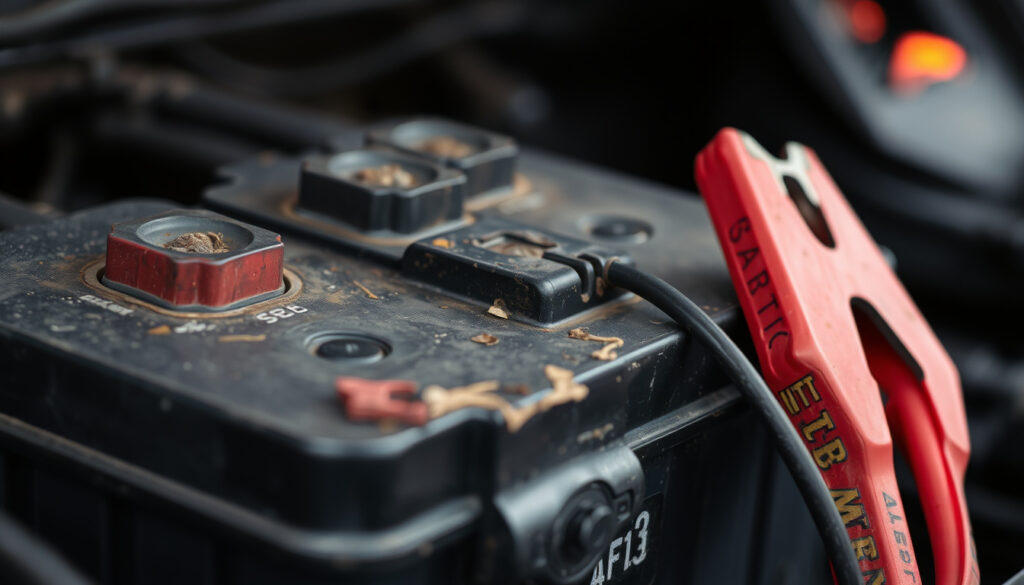
- Corroded terminals (J.D. Power)
- Drive weekly for 30+ minutes (RAC)
- Keep terminals clean (AAA Automotive)
- Test voltage yearly after 3 years (DDPAI)
Here is a quick reference of key battery facts:
| Fact | Value |
|---|---|
| Average lifespan | 3 to 5 years |
| Lifespan in hot climates | 2 to 3 years |
| Short trip threshold | under 20 minutes reduces battery life |
| Battery voltage healthy range | 12.4 to 12.7 volts |
| Typical replacement cost | $50 to $200 |
What is the life expectancy for a car battery?
The short answer: most standard 12V lead-acid car batteries last 3 to 5 years under normal driving conditions, according to AAA Automotive (roadside assistance provider). That’s the average across all climates and driving patterns. But the real number depends on where you live and how you drive.
Factors that affect battery lifespan
- Climate: Heat is the biggest enemy. AAA notes that batteries in hot southern climates typically last about 3 years, while cooler northern climates can stretch to 5 years or longer. The chemical reactions inside speed up with heat, which accelerates grid corrosion and water loss.
- Driving patterns: Short trips under 20 minutes prevent the alternator from fully recharging the battery after startup. Ace Auto Repair recommends driving longer to let the alternator do its job.
- Battery type: Lithium-ion starter batteries can last up to 10 years under ideal conditions, but they’re rare in conventional cars. Most still use flooded lead-acid or AGM (absorbent glass mat) designs.
Heat supports the chemical reaction that makes a battery work, but it also degrades the internal plates faster. That’s why a battery in Phoenix may fail after just 2 years, while the same battery in Seattle could last 5.
What this means: If you live in a hot region or only drive short distances, expect the lower end of the range. Plan for replacement around year 3, not year 5.
How do I tell if my car needs a new battery?
Your car usually gives warnings before the battery dies completely. Recognizing them early can save you a tow truck call and a ruined morning.
Signs of a dying battery
- Slow engine crank – the engine turns over sluggishly when you start the car. AAA identifies this as the most common symptom.
- Dashboard warning light – a battery-shaped or “charging system” light means the system voltage is low.
- Dim headlights – especially at idle on older vehicles, dimming headlights indicate weak output. On modern cars with smart alternators this is less common but still possible.
- Swollen battery case – Ace Auto Repair warns that a bulging battery case is a sign of internal damage from overcharging or extreme heat, and the battery needs immediate replacement.
- Battery age over 3 years – AAA recommends annual testing once a battery reaches its third year. Even if it’s working, the risk of failure climbs sharply after that point.
How to test your car battery
A simple multimeter can tell you a lot. Here’s the step-by-step:
- Set the multimeter to DC voltage (20V range).
- Connect the red probe to the positive terminal (+) and the black probe to the negative terminal (-).
- Read the voltage: A healthy battery should show 12.4 to 12.7 volts with the engine off. Below 12.4 volts suggests a partial discharge; below 12.0 volts means it’s deeply discharged and likely damaged. DDPAI provides this voltage range.
- Start the engine: The voltage should drop briefly and then rise to 13.7–14.7 volts when the alternator kicks in. If it stays below 13 volts, the alternator may be failing.
What kills car batteries quickly?
Several everyday habits and conditions can cut your battery’s life by months or even years. The biggest culprits are short trips, extreme temperatures, and electrical drains.
Short trips and frequent starts
Starting an engine uses a large burst of current. After startup, the alternator needs about 20 minutes of driving to replenish what was used. Ace Auto Repair notes that repeated short trips under that threshold slowly drain the battery without ever giving it a full recharge. Over time, the battery stays in a partial state of charge, which accelerates sulfation – the buildup of lead sulfate crystals that permanently reduce capacity.
Extreme temperatures
AAA identifies heat as one of the three key enemies of battery life (along with time and vibration). Hot weather speeds up internal corrosion and water loss, while freezing cold thickens engine oil and makes the battery work harder to crank the engine. The combination of heat during summer and cold in winter is especially hard on a weakened battery.
Parasitic drain causes
Even with the engine off, some electrical loads continue to draw power – interior lights, glove box lights, trunk lights, and aftermarket accessories. A bad alternator diode can also cause a continuous drain. J.D. Power explains that a parasitic draw of 50 milliamps or more is considered excessive and can kill a battery in a few days if the car isn’t driven. Corroded or loose battery terminals increase resistance and reduce the alternator’s ability to charge the battery effectively, according to Ace Auto Repair.
Parasitic drains are often invisible – you don’t see a light on because it’s in the trunk or glove box. A multimeter test is the only reliable way to find them.
What drains a car battery when the car is off?
A few common culprits drain your battery while the car sits, and some are easy to fix once you know where to look.
Parasitic drain sources
- Interior, glove box, and trunk lights – sometimes a door or switch doesn’t close completely.
- Bad alternator diode – allows current to flow back from the battery to ground.
- Aftermarket accessories – dash cams, GPS trackers, stereo amplifiers, and alarm systems can draw significant power even when off.
- Faulty relays – a stuck relay can keep a module alive when it should be asleep.
How to diagnose a drain
Use a multimeter set to DC amperage. Disconnect the negative battery cable and connect the multimeter in series between the cable and the battery post. A reading above 50 milliamps indicates an excessive draw. Then start pulling fuses one by one until the current drops – that points to the offending circuit. NAPA Batteries provides guidance on this procedure.
What this means: Most parasitic drains are fixable without a mechanic. Identifying the circuit takes 30 minutes and a $15 multimeter.
How often should a car be driven to keep the battery charged?
If you work from home or have a second car, you’ve probably wondered just how often you need to start the engine to keep the battery healthy.
Recommended driving frequency
The RAC advises driving your car at least once a week for 20-30 minutes to keep the battery in good condition. A short trip around the block won’t do it – the alternator needs time to replace the energy used during startup. A longer drive of 30+ minutes on a highway allows the battery to reach a full state of charge.
Short trips vs. long drives
Starting the engine uses about 1% of the battery’s capacity. A 5-minute drive returns only a fraction of that. Over weeks, the battery gradually loses net charge, especially if parasitic drains are present. For cars that sit for extended periods (more than two weeks), a battery maintainer (trickle charger) is a better solution than relying on occasional drives.
The implication: If you normally drive once a week for 20 minutes or less, your battery is on a slow bleed. Plan to take a long drive every two weeks or invest in a $30 maintainer.
Confirmed facts
- Car batteries typically last 3 to 5 years. (AAA Automotive)
- Hot climates shorten battery life to 2-3 years. (Ace Auto Repair)
- Short trips under 20 minutes reduce battery lifespan. (RAC)
- Slow engine crank is a symptom of a failing battery. (AAA Automotive)
What’s unclear
- Exact lifespan varies widely by driving patterns and climate.
- Whether a battery will last 10 years depends on type (lithium-ion vs lead-acid) and conditions.
- Severity of parasitic drain can be hard to measure without professional tools.
- How much a single deep discharge shortens overall life is not precisely quantified.
- Battery voltage below 12.4 volts indicates partial discharge, but this varies with temperature and battery condition. (DDPAI)
- Driving once a week for 30 minutes helps maintain charge, but the exact requirement depends on vehicle and climate. (RAC)
- Parasitic draw above 50 mA is excessive, but the threshold can differ by vehicle. (J.D. Power)
- Battery case swelling indicates internal damage, but it’s not always visible. (Ace Auto Repair)
Battery life is all about the three Ts: time, heat, and vibration. A battery in a hot climate that gets bounced around on rough roads won’t last as long as one in a cool garage.
— RAC spokesperson
If your battery is over four years old and you notice any of the warning signs, it’s usually cheaper to replace it than risk being stranded. Most garages will test it for free.
— Halfords technical team
Editor’s note: For drivers in the UK, the RAC and Halfords offer free battery testing at most service centres. A replacement with fitting typically costs between £80 and £150, depending on your car model and battery type.
For the average driver, the decision is clear: replace your battery after year 3 in a hot climate, after year 4 in a mild climate, and test it annually after year 3 no matter where you live. A $10 multimeter and a 30-minute drive each week are the cheapest insurance against a cold morning that won’t start. For drivers in hot southern US states or in regions with extreme summers, the implication is stark: plan for a replacement every 2.5-3 years, or accept the risk of being that person stranded in a parking lot.
When your battery shows signs of age, understanding typical lifespans helps you plan car battery replacement options and avoid unexpected failures.
Frequently asked questions
How long should a car battery last without driving?
A healthy battery can sit for about two to four weeks without driving before the voltage drops below 12.4 volts. After that, the risk of failing to start increases. The RAC recommends at least one drive per week to maintain charge.
Can a car battery last 10 years?
Conventional lead-acid batteries rarely last 10 years. Under ideal conditions (cool climate, long drives, no parasitic drain) some premium AGM batteries can reach 6-8 years. Lithium-ion starter batteries can last up to 10 years, but they are uncommon in standard vehicles.
How long do car batteries last in hot climates?
AAA reports that batteries in hot southern climates typically last about 3 years. Ace Auto Repair says the lifespan shrinks to closer to 2-3 years in sustained heat above 90°F (32°C).
How long do car batteries last lithium ion?
Lithium-ion starter batteries can last up to 10 years under ideal conditions, but they cost significantly more. In real-world use, 5-8 years is more common. They are still rare in mass-market cars.
How long does a battery last in an electric car?
EV traction batteries (lithium-ion) are designed to last 8-10 years or 100,000-150,000 miles, with most manufacturers offering 8-year/100,000-mile warranties. This is separate from the 12V auxiliary battery in an EV, which lasts 3-5 years like a conventional car battery.
How long do car batteries last diesel?
Diesel engines require higher cranking current due to higher compression. The battery type is different (often larger capacity or dual batteries). Lifespan is still 3-5 years on average, though cold climates can shorten it.
More related posts
 Khloé Kardashian Net Worth 2026: How She Compares to Sisters
 NCAA Men’s Final Four 2026: Schedule, Teams & Odds
 Keys Made Near Me – Local Services, Costs and Tips
 Redmi Note 11 Pro 5G in 2025: Worth Buying
 TV Stand with Fireplace: Best Picks & Buying Guide
 SSI April 2025 Payment Date: Full Schedule from SSA
 Open Checking Account Online – Step-by-Step 2024 Guide
 What Time Does Love Island Come On – Channel and Start Times
