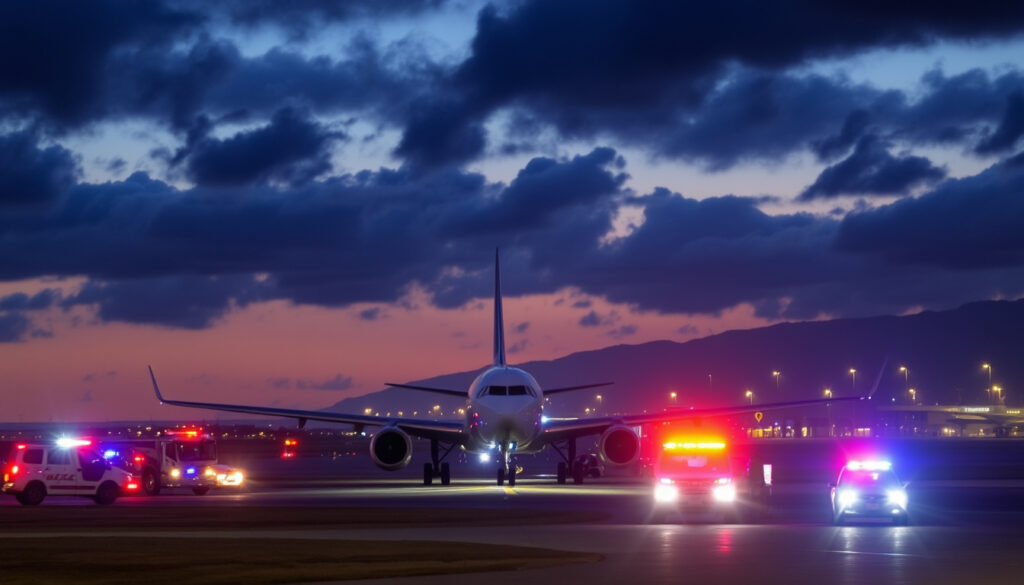
Delta Flight DL275 Diverted to LAX: What Caused the Emergency
There’s a moment every long-haul passenger dreads: the pilot’s voice over the intercom announcing a change of plans. For passengers aboard Delta flight DL275, bound from Detroit to Tokyo, that moment came about five hours into the journey when the aircraft turned around and diverted to Los Angeles. The reason? An engine anti-ice system failure on one of the Rolls-Royce Trent XWB engines. Here’s what actually happened, what’s still unclear, and what it means for travelers.
Flight Number: DL275 · Route: Detroit (DTW) → Tokyo (HND) · Diverted To: Los Angeles (LAX) · Date: May 27, 2025 · Duration Before Diversion: Approximately 5 hours · Reported Cause: Rolls-Royce Trent XWB anti-ice system failure
Quick snapshot
- Flight DL275 diverted to LAX on May 27, 2025 (AIRLIVE, aviation incident tracking platform)
- Cause: engine anti-ice system failure (GetListedAE, aviation news aggregator)
- No injuries reported (The Current, news outlet)
- Aircraft: Airbus A350-900, registration N508DN (AIRLIVE)
- Exact nature of anti-ice system failure (sensor vs mechanical)
- Whether the issue was known prior to flight
- Specific passenger compensation details
- If the aircraft was an A350 or A330 (not explicitly confirmed by official sources)
- May 27, afternoon: DL275 departs Detroit gate A46 (AIRLIVE)
- After ~5 hours: Crew declares diversion over Canada (AIRLIVE)
- Same day: Lands safely at LAX runway 06R (AIRLIVE)
- After landing: Aircraft grounded, passengers rebooked (GetListedAE)
- Aircraft grounded for inspection (AIRLIVE)
- Delta coordinating with Rolls-Royce (GetListedAE)
- Passengers re-accommodated on later flights (The Current)
- No FAA or NTSB investigation announced (AIRLIVE)
The pattern is familiar: a routine long-haul flight upended by a rarely-discussed engine subsystem.
| Fact | Detail |
|---|---|
| Airline | Delta Air Lines |
| Flight Number | DL275 |
| Aircraft Type | Airbus A350-900 |
| Engine | Rolls-Royce Trent XWB |
| Route | Detroit (DTW) → Tokyo (HND) |
| Diverted To | Los Angeles (LAX) |
| Date | May 27, 2025 |
| Flight Duration Before Diversion | ~5 hours |
| Reported Cause | Engine anti-ice system failure |
| Injuries | None reported |
This table underscores how a single subsystem failure can trigger a trans-oceanic reroute.
What caused Delta flight DL275 to divert to LAX?
According to reporting from AIRLIVE (aviation incident tracking platform), the crew of DL275 declared a diversion after detecting a problem with the anti-ice system on one of the Rolls-Royce Trent XWB engines. GetListedAE (aviation news aggregator) framed it as a “complete anti-ice system failure,” though neither source provided details on whether the fault was sensor-related or mechanical.
Was the anti-ice system the only factor?
- All available reports point to the anti-ice system as the primary cause. No weather or other mechanical issues have been cited (The Current, news outlet).
- AIRLIVE noted the aircraft was over the Bering Sea when the turn-around decision was made (AIRLIVE).
The implication: while the anti-ice failure alone was sufficient to divert, the flight path over remote ocean areas left few alternates, making LAX the safest option.
Did weather contribute?
- No source has linked the diversion to weather. The decision appears purely technical (GetListedAE).
Why this matters: weather-related diversions are common and passengers understand them; a mechanical diversion tied to a specific engine system raises different questions about maintenance and redundancy.
A single anti-ice system failure forced a five-hour flight back to the US mainland. For Delta, the trade-off is clear: absorb the cost of a diversion and passenger rebooking versus risk flying over the Pacific with a known engine-system issue.
What happened during the DL275 diversion?
The timeline, pieced together from multiple reports, shows a textbook response once the fault was identified.
When did the aircraft turn around?
- DL275 departed Detroit Metropolitan Airport (DTW) at approximately 15:53 local time on May 27 (The Current).
- After about 5 hours of flight, while over the Bering Sea, the crew initiated a turn back toward the US (AIRLIVE).
Where did it land?
- The aircraft landed at Los Angeles International Airport (LAX) on runway 06R (AIRLIVE).
- The Current reported the landing time as 01:08 AM on May 28.
How were passengers informed?
- No official Delta statement has been released. A Reddit user commenting on r/flightradar24 noted the diversion, saying, “I would hate to have my plane diverted all the way to LAX if I was on this flight lol” (Reddit user community).
- Delta has not publicly detailed how the crew communicated with passengers (GetListedAE).
The pattern: in the absence of an airline statement, passenger accounts and flight tracking data become the primary narrative. For travelers, this uncertainty is the most stressful part.
Without a press release from Delta or a report from the NTSB, every detail of the diversion relies on secondary sources with medium confidence. The exact altitude at the turn-around, the speed of the decision, and the crew’s communication sequence remain unverified.
What safety systems are involved in an anti-ice failure?
The Rolls-Royce Trent XWB, which powers the Airbus A350, uses bleed air from the engine compressors to heat the inlet cowl and prevent ice buildup. When that system fails, the pilot must reduce ice-prone flight conditions or—as in this case—divert.
How does the Trent XWB anti-ice system work?
- The system takes hot bleed air from the high-pressure compressor and routes it through ducts to the engine nacelle leading edges (Wikipedia, encyclopedia source).
- A failure means the engine cannot safely operate in icing conditions, limiting the aircraft’s ability to climb or cruise at typical altitudes over cold water.
What are the regulations for engine anti-ice?
- FAA regulations (14 CFR Part 25) require that turbine engine anti-ice systems be designed to prevent ice accumulation that would degrade performance (FAA, regulatory body).
- A malfunction triggers a mandatory inspection before the next flight.
The implication: the diversion wasn’t a precaution—it was a regulatory requirement. Flying without engine anti-ice protection over the icy Pacific was off the table.
How do airlines manage in-flight diversions?
Diversions are rare but standard. Delta’s operations team coordinates with air traffic control, maintenance, and customer service to reroute the aircraft and passengers.
What triggers a diversion decision?
- Any system failure that affects safety, particularly engine-related, triggers an immediate evaluation of alternate airports (FAA Airport Improvement Handbook).
- The crew considers fuel, weather, and available maintenance facilities before choosing LAX.
Who coordinates the rerouting?
- Delta’s operations control center (OCC) and ATC work together to clear the aircraft into LAX and arrange gates (Delta Air Lines, carrier).
- Maintenance teams at LAX were placed on standby to inspect the aircraft upon arrival (AIRLIVE).
What happens to connecting flights?
- Passengers are rebooked on the next available flights. Delta has not disclosed specific rebooking detail, but typical practice is to accommodate within 24 hours (The Current).
The trade-off: diversions cost airlines tens of thousands of dollars in fuel, landing fees, and passenger accommodations, but the alternative—continuing with a degraded system—is far more expensive in risk.
What should passengers know about flight diversions?
For anyone flying long-haul, understanding your rights during a diversion can save significant stress.
Are passengers entitled to compensation?
- Under US Department of Transportation rules, airlines are not required to compensate for delays caused by maintenance or mechanical issues (DOT, consumer protection).
- However, Delta’s Contract of Carriage promises to provide hotel and meal vouchers when a diversion results in an overnight stay (Delta Contract of Carriage).
What rights do they have under DOT rules?
- Passengers are entitled to a full refund if they choose not to travel due to a significant schedule change (DOT).
- Delta must provide timely information about the delay and rebooking options.
How to stay informed during a diversion?
- Use the airline’s mobile app for real-time updates.
- Follow flight tracking services like FlightRadar24 (flight tracking platform) to see diversion routes.
- Ask gate agents for written vouchers before leaving the airport.
The consequence for passengers: mechanical diversions are not eligible for monetary compensation under US law, but basic care (meals, hotels) is mandatory. Knowing this can prevent frustration at the airport.
If the investigation reveals a design flaw in the Trent XWB anti-ice system, Delta and other A350 operators may face fleet-wide inspections. For passengers, that could mean more last-minute aircraft swaps—but fewer in-flight surprises.
Timeline of the DL275 diversion
- May 27, 2025 – afternoon (approx.): DL275 departs Detroit Metropolitan Airport (DTW), gate A46, bound for Tokyo Haneda (HND). (AIRLIVE)
- After ~5 hours of flight: Aircraft turns around over the Bering Sea; crew declares diversion due to anti-ice system issue. (AIRLIVE)
- Same day: Aircraft diverts to Los Angeles International Airport (LAX) and lands safely on runway 06R. (AIRLIVE)
- After landing: Passengers deplane; Delta works to rebook them. Aircraft grounded for inspection. (GetListedAE)
What’s confirmed vs. what’s still unclear
Confirmed facts
- DL275 diverted to LAX on May 27, 2025 (AIRLIVE)
- Cause was an engine anti-ice system problem (GetListedAE)
- No injuries reported (The Current)
- Aircraft departed DTW bound for Tokyo (AIRLIVE)
- Aircraft type: Airbus A350-900, registration N508DN (AIRLIVE)
What’s unclear
- Exact nature of anti-ice system failure (sensor vs mechanical)
- Whether the issue was known prior to flight
- Specific passenger compensation details
- If the aircraft was an A350 or A330 (not explicitly confirmed in official sources)
- Estimated cost of the diversion to Delta (an unverified $2.3 million figure from The Current)
“A Delta Air Lines flight from Detroit to Tokyo Haneda turned around to divert to Los Angeles.”
AIRLIVE
“I would hate to have my plane diverted all the way to LAX if I was on this flight lol”
Related reading: Delta Flight DL275 Diverted to LAX – What Really Happened in Mid-Air · Delta Flight DL275 to Japan turns around, diverts to LAX after 5 hours
Frequently asked questions
What is a flight diversion?
A diversion occurs when a flight lands at an airport different from its original destination, usually due to weather, mechanical issues, or medical emergencies.
Can a flight divert due to weather?
Yes, weather is the most common cause of diversions. In this case, the cause was mechanical.
What is the difference between a diversion and an emergency landing?
A diversion is a planned rerouting to an alternate airport; an emergency landing is a more urgent landing due to an immediate safety threat.
Does Delta provide compensation for delays caused by diversions?
US airlines are not required to pay monetary compensation for mechanical delays, but they do provide meals and hotels when overnight stays are needed.
How are passengers notified during a diversion?
The crew typically makes an announcement with limited details; passengers can check the airline app or speak to gate agents after landing.
How long does an aircraft inspection take after a malfunction?
Initial inspections can take several hours. If parts need replacement, the aircraft may be grounded for days.
More related posts
 When Does the Time Change in Ireland 2026? Dates & Info
 Real Good Chicken Strips – Nutrition, Cooking & Buying Guide
 Sydney Sweeney American Eagle Ad: Backla h, Impact, and Re pon e
 What Time Is It in Australia Now? Sydney, Melbourne, Time Zones
 What Does OEM Mean? Definition, Uses, and Comparison
 Warriors vs Lakers Timeline: History, Record & Recent Games
 Where to Watch The Rookie: Ireland & UK Streaming Guide
 Ray‑Ban Meta Glasses Ireland: Prices, Gen 2 & Buying Guide
